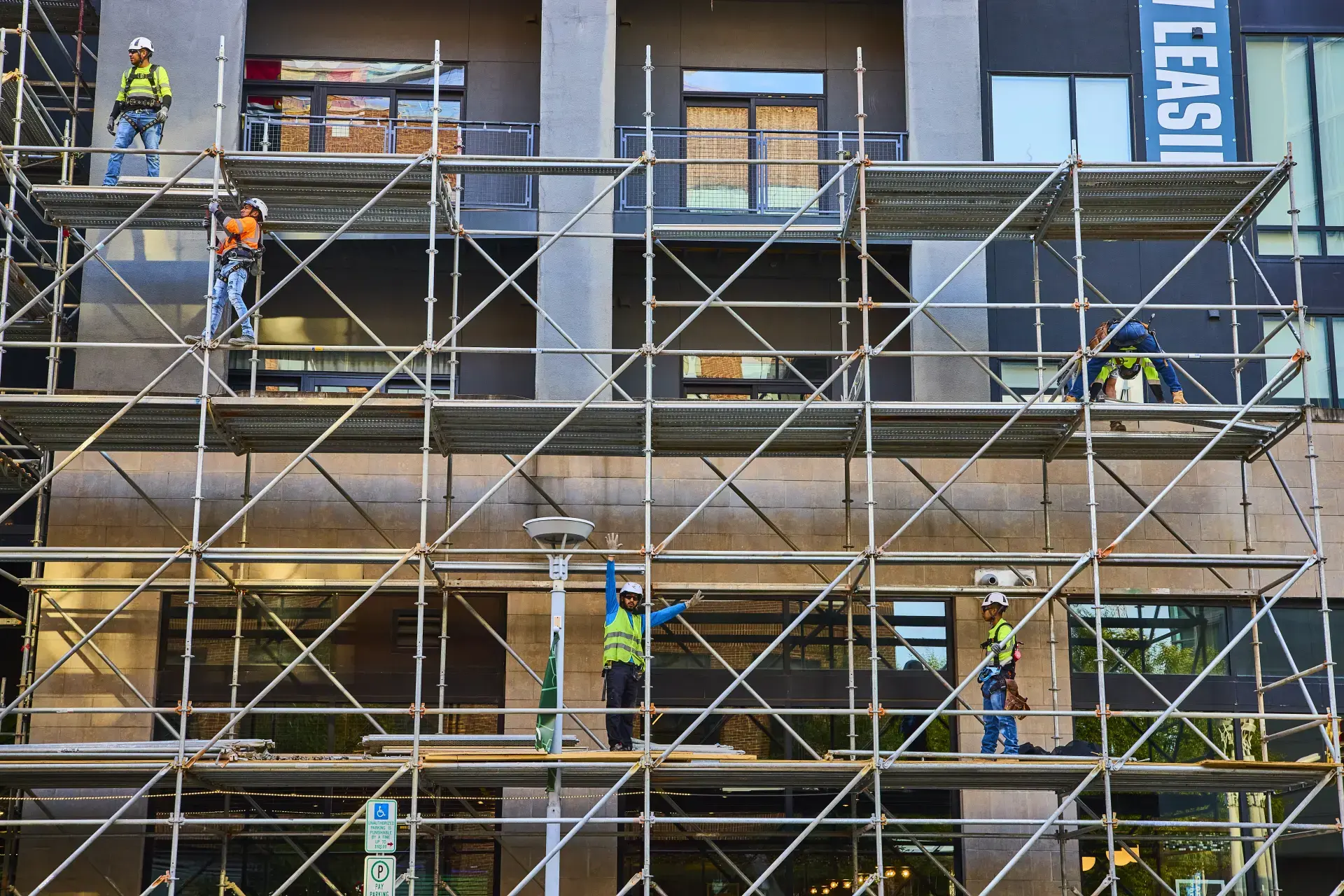
Assessing Height, Access And Site Conditions
When planning any kind of commercial scaffolding project, the first step is to look carefully at the height of your existing building. The taller the structure, the more support the scaffolding will need. This also affects just how many levels are needed for safe movement. A clear view of the height will help teams choose a design that keeps workers steady and secure.
It is also wise to think about how workers will reach the scaffold. Some sites offer open and easy access, while others have narrow paths or uneven ground. Proper access points help workers carry tools and materials without difficulty. Safer access also reduces delays during the project.
The ground conditions around the site matter just as much. Soft soil, steep slopes, or cluttered spaces can impact how stable the scaffolding will be once it is set up. Before any work begins on your site, the area should always be checked for hazards such as loose debris or hidden holes. A stable base will support the whole structure.
Weather can also influence site conditions. Strong winds, heavy rain, or icy surfaces can create risks during installation. Planning for these challenges helps teams choose the right scaffolding system and reduces the chance of accidents.
Common Types Of Commercial Scaffolding
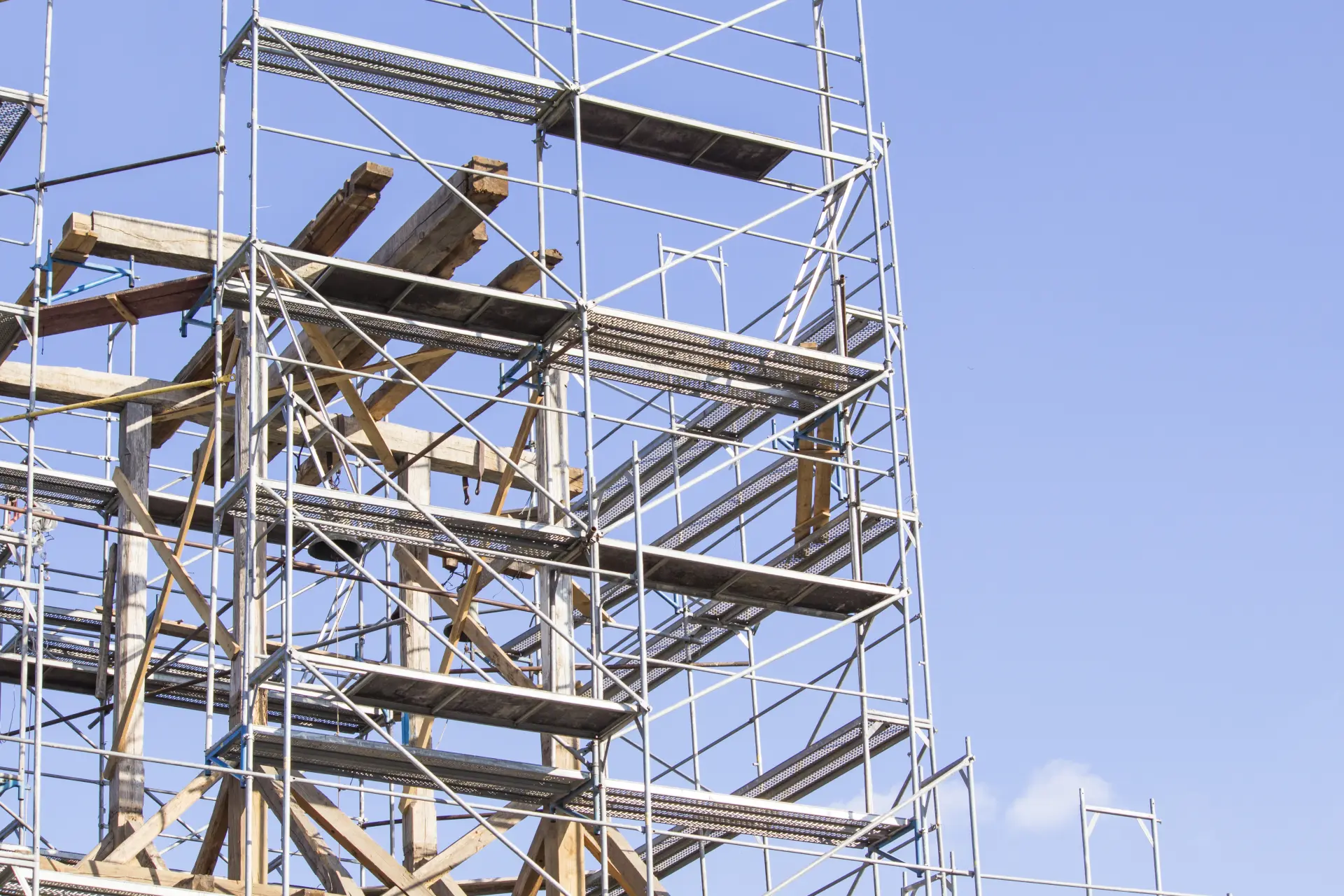
Tube and fitting scaffolding is an incredibly flexible system that can be used on numerous commercial sites. It uses steel tubes and strong fittings that can be shaped to suit complex buildings. This makes it helpful for projects where structures have unusual angles or awkward layouts. The system is known for its strength and adaptability.
Modular scaffolding, sometimes called system scaffolding, is made from parts that fit together in fixed patterns. It is faster to put up than to put up a tube and fitting scaffolding. This type works well for projects that require quick assembly and clear organisation. It also allows for a neat and consistent build.
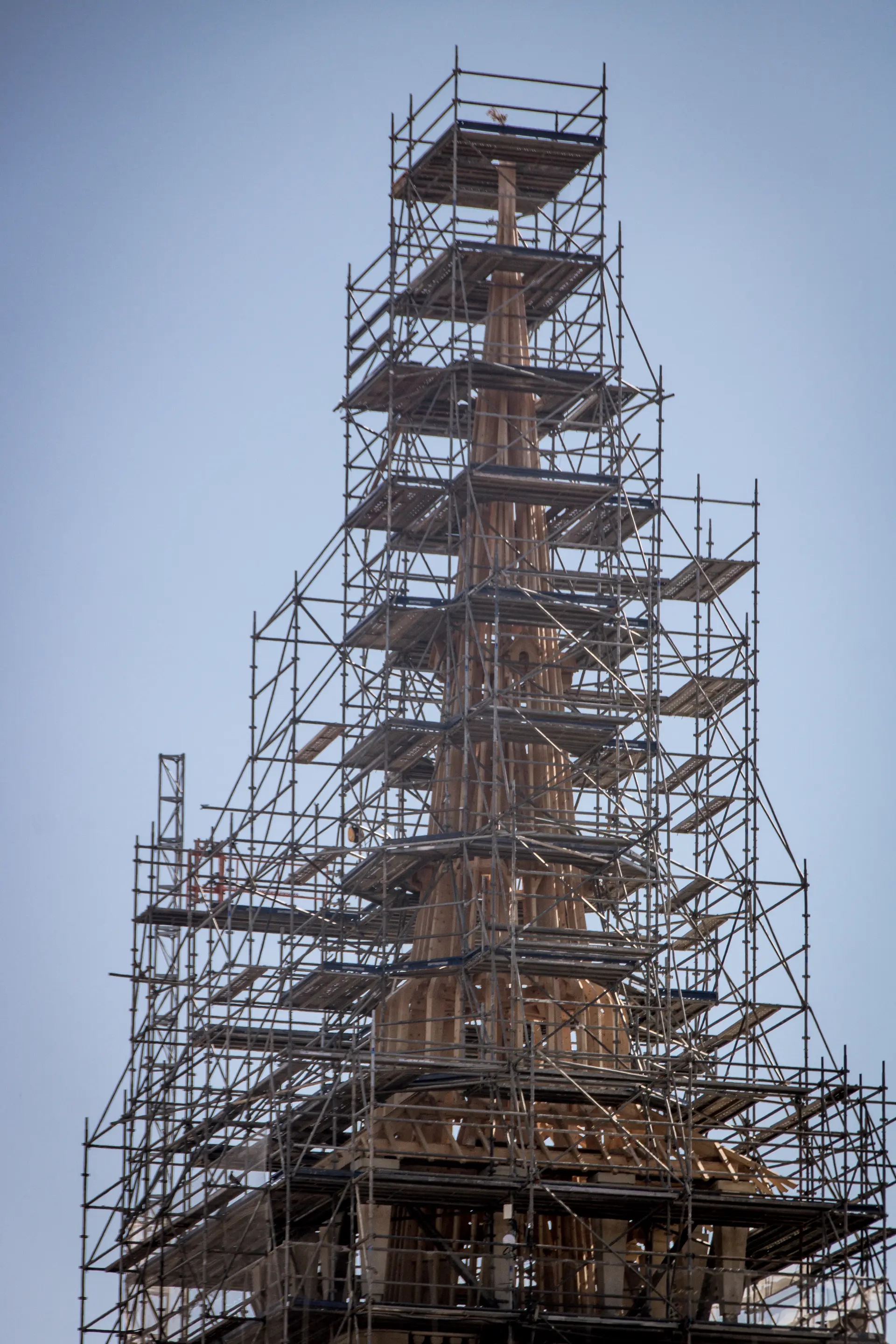
Suspended scaffolding hangs from the roof or upper levels of a building. It is used when workers need access to high areas without building a full structure from the ground. This type is common during window work or on tall buildings with limited space below. It provides access without blocking walkways or roads.
Mobile scaffolding includes small towers on wheels. These towers are often hired so that they can be moved around the site with ease. Mobile scaffolding is most useful for a number of tasks that cover wide areas or require frequent repositioning. It allows workers to move safely while reducing the need for repeated assembly.
Load Capacity And Structural Stability
Every scaffolding system must support a certain load. This includes the weight of workers, their tools, and any materials they carry. Before choosing a system, teams need to know how much weight the platform will hold. Proper load planning stops the structure from becoming stressed or unsafe. Structural stability is also vital. The scaffold should remain firm even when workers move across it. Extra support may be needed for heavier loads or tall builds. When stability is well considered, the risk of collapse is greatly reduced.
The type of work affects load as well. Heavy building tasks place greater strain on platforms. Lighter tasks, such as painting, use less weight but still need proper checks. Understanding the work helps match the scaffold to the right load level.
Wind and vibration can also massively affect stability. Busy construction sites may experience passing traffic that causes lots of shaking, and tall structures may be affected by strong gusts. It’s always best to plan for these factors, as it helps make sure the scaffolding stays secure throughout the project.
Meeting Safety Standards And Regulations
Commercial scaffolding must meet strict safety rules. These rules protect workers, visitors, and the surrounding area. Following them ensures that the scaffold is built and checked to a safe standard. Proper training also helps teams understand their responsibilities.
Frequent inspections are part of these rules. A trained person should always check the scaffold before the start of each shift. They look for loose parts, damage, or anything that could affect safety. Keeping clear records shows that checks have been carried out correctly.
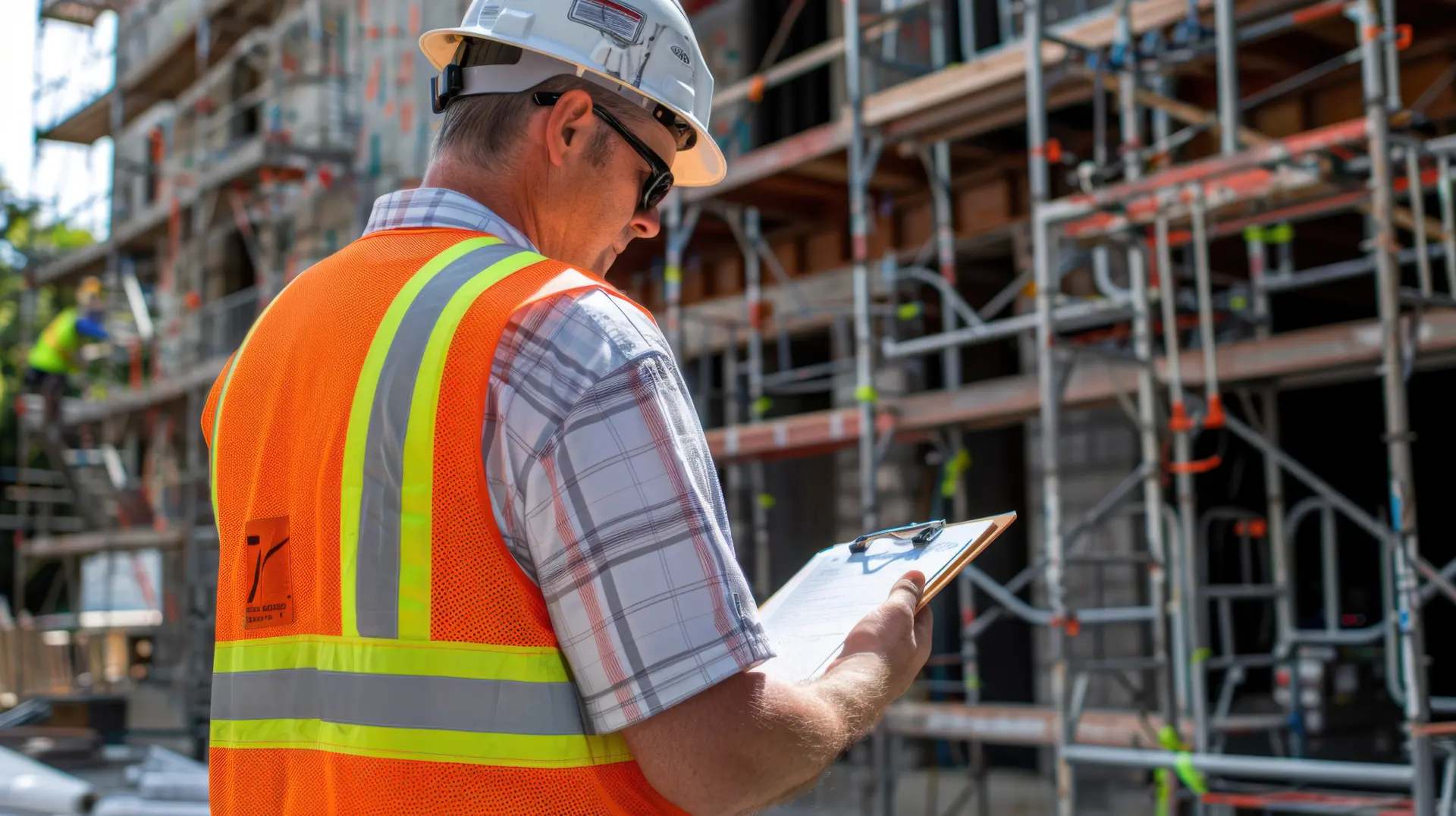
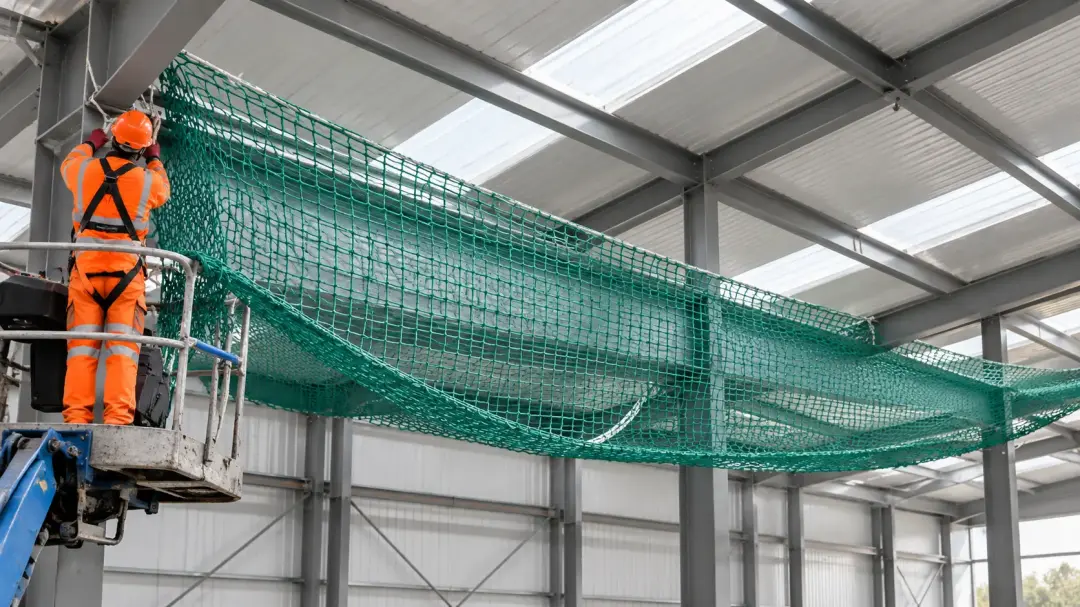
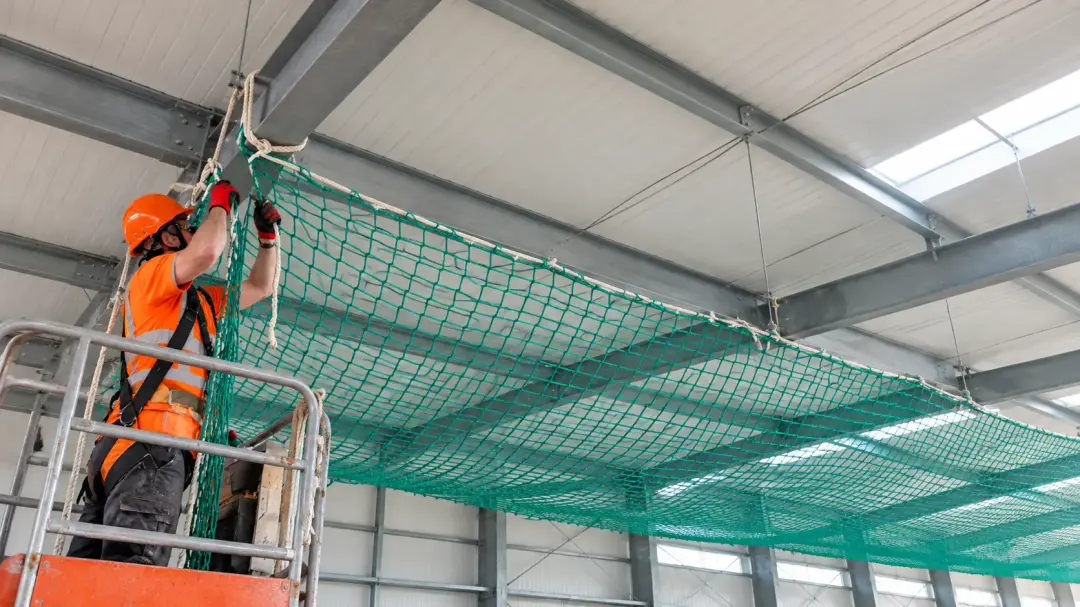
Personal protective equipment is also required. This includes helmets, sturdy footwear, and harnesses where needed. Each item helps you lower the risk of injury. Doing so makes sure everyone uses the correct equipment, which supports a much safer working environment.
Clear signage should also be displayed. Signs warn others on or near your site to stay away from danger zones and direct workers to safe access points. These guides help prevent accidents on busy sites where many tasks happen at once.
Working Around Public Areas And Busy Sites
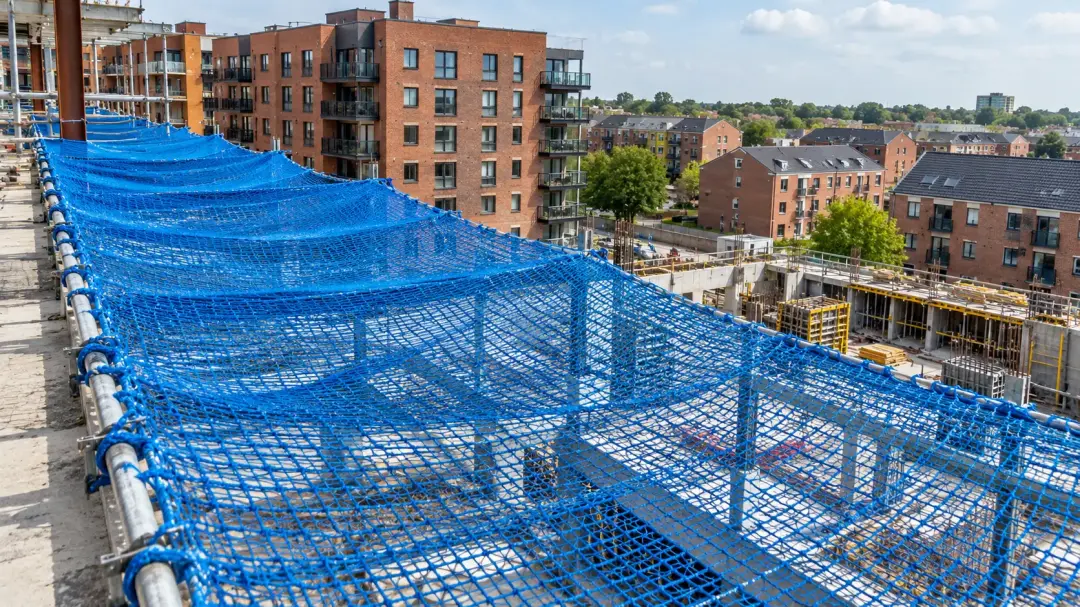
Commercial projects often take place near roads, shops, or walkways. This means scaffolding must be set up to protect the public. Barriers, warning signs, and covered walkways help keep people safe. Planning these measures early makes installation smoother.
Busy sites also need good traffic control. Vehicles, workers, and visitors may pass through the area at different times. Safe routes should always be visibly marked out so that the scaffolding does not block essential paths. Clear planning is necessary to reduce any confusion during the project.
Noise and dust should be managed carefully. Work near public areas can disrupt daily activities. Simple steps, such as timed work periods or protective screens, help reduce the impact. These considerations help you maintain a positive relationship with the local people and area.
Lighting is also incredibly important. During early mornings or late evenings, good lighting helps workers and the public move safely around the area. Well-lit spaces lower the chance of accidents and make the site a lot easier to manage.
If you're looking for a company that can help you choose the right scaffolding for your project, give us a call at SN Scaffolding Ltd. With our scaffolding hire services, our team will ensure you get the most suitable scaffolding systems, platforms, and towers for the tasks at hand.